

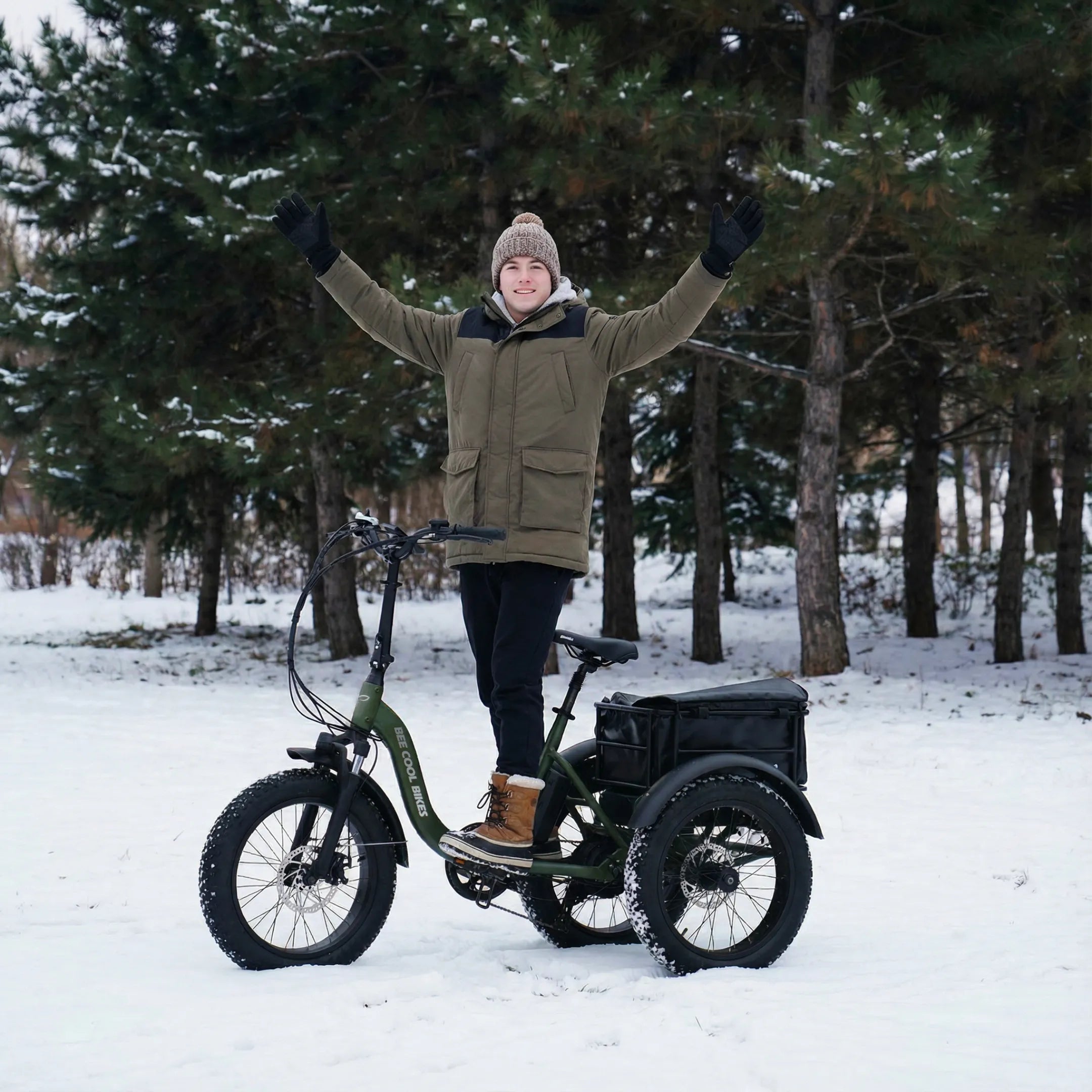
Hey there, fellow adventure seekers! If you're dipping your toes into the world of electric-powered rides, you've probably come across e-bikes and e-trikes. Both are fantastic ways to get around, reduce your carbon footprint, and enjoy the outdoors with a little electric boost. But as someone who's spent countless hours pedaling (or cruising) on both, I can tell you they're not the same beast. In this post, I'll break down the key differences in riding experiences between e-trikes and e-bikes, and wrap it up with some crucial safety tips to keep your journeys smooth and secure. Let's dive in!
What Makes an E-Trike and E-Bike Different?
First off, a quick primer: An e-bike (electric bicycle) is essentially a traditional bike supercharged with a battery and motor. It assists your pedaling, making hills feel like flat roads and long distances more manageable. On the other hand, an e-trike (electric tricycle) adds a third wheel—usually at the back—for extra stability. It often resembles a mix between a bike and a small cart, perfect for carrying loads or riders who prefer a steadier feel.
Now, let's get into the nitty-gritty of how they feel on the road.
Stability and Balance: The Core Difference
Riding an e-bike is all about that classic cycling vibe with a power-up. You balance on two wheels, leaning into turns like you're on a regular bike. It's agile and responsive, which makes it exhilarating for weaving through city traffic or tackling winding trails. However, if you're new to biking or have balance issues (maybe from age, injury, or just a wobbly day), it can feel a bit precarious at first. The electric assist helps with speed and effort, but you still need to actively maintain equilibrium.
Switch to an e-trike, and it's a whole new ballgame. That third wheel changes everything—stability is baked in. No more worrying about tipping over at stops or slow speeds. It's like riding a mini-vehicle; you can come to a full halt without putting your feet down, which is a game-changer for seniors, parents with kids in tow, or anyone hauling groceries. The experience is more relaxed and forgiving, almost like a leisurely cruise on a golf cart. But this stability comes at a cost: e-trikes are wider and less nimble, so tight maneuvers or narrow paths can feel cumbersome.
Speed and Handling: Agility vs. Comfort
E-bikes shine in speed and handling. With pedal-assist modes (and sometimes throttle options), you can zip up to 20-28 mph depending on the model and local laws. The lightweight frame lets you accelerate quickly and handle bumps or potholes with ease. It's a more athletic experience—you're pedaling, sweating a bit (if you want), and feeling the wind rush by. Perfect for commuters who want to blend exercise with efficiency.
E-trikes, by contrast, prioritize comfort over speed. Most top out at 15-20 mph (while the Etrike from BeeCool Bikes, Bee Zipper, can reach 28mph, the fastest one ever), and the extra weight from the frame and battery makes acceleration slower. Handling feels more like steering a small scooter or ATV; turns are wider, and you might notice more body roll on uneven surfaces. But oh, the comfort! Many e-trikes come with cushy seats and even cargo baskets, turning your ride into a mobile lounge. It's ideal for casual outings, errands, or exploring neighborhoods without breaking a sweat.
Terrain and Versatility: Trails vs. Streets
If you're an off-road enthusiast, e-bikes are your best bet. Mountain e-bikes (e-MTBs) conquer rough trails, gravel paths, and steep inclines with their suspension and tire setups. The two-wheel design allows for better traction and control on varied terrain, making it feel adventurous and dynamic.
E-trikes? They're street-smart specialists. The three-wheel configuration excels on paved roads, sidewalks, and flat urban areas. They're less suited for rugged trails due to the risk of tipping on side slopes or getting stuck in mud. That said, some models have fat tires for light off-roading, but overall, e-trikes offer a smoother, more predictable ride on everyday surfaces. Think farmers' markets, beach boardwalks, or community paths—places where stability trumps speed.
Practicality and Fun Factor
From a practical standpoint, e-bikes are compact and easy to store, park, or even take on public transport. They're great for solo riders looking to integrate fitness into their routine. The fun comes from the empowerment: conquering a hill that once defeated you feels epic.
E-trikes amp up the practicality with cargo capacity—some can haul up to 400 pounds! They're family-friendly, often with seats for passengers or pets. The fun here is in the social aspect: picnics on wheels, group rides without anyone falling behind, or just enjoying the scenery at a chill pace. It's less about adrenaline and more about effortless enjoyment.
In summary, e-bikes deliver an active, bike-like thrill with electric ease, while e-trikes provide a stable, comfortable cruise that's accessible to all. Your choice boils down to your lifestyle—speed demon or steady explorer?
Safety First: Essential Riding Precautions for E-Trikes and E-Bikes
No matter which you choose, safety should always be your co-pilot. Electric rides amplify speeds and weights, so a little prep goes a long way. Here are some key tips tailored to both, plus specifics where they differ.
General Safety Guidelines
E-Bike Specific Tips
E-Trike Specific Tips
By following these, you'll minimize risks and maximize fun. Remember, start slow, build confidence, and always ride defensively—assume drivers don't see you.

Wrapping It Up
Whether you're Team E-Bike for that zippy, engaging ride or Team E-Trike for ultimate stability and comfort, both open up a world of eco-friendly exploration. I've loved switching between them depending on the day—e-bike for solo adventures, e-trike for family outings. If you're considering one, test-ride both to feel the difference firsthand.
Stay safe out there, and happy riding!
This post is based on personal experiences and general knowledge. Always consult professionals for specific advice.
