

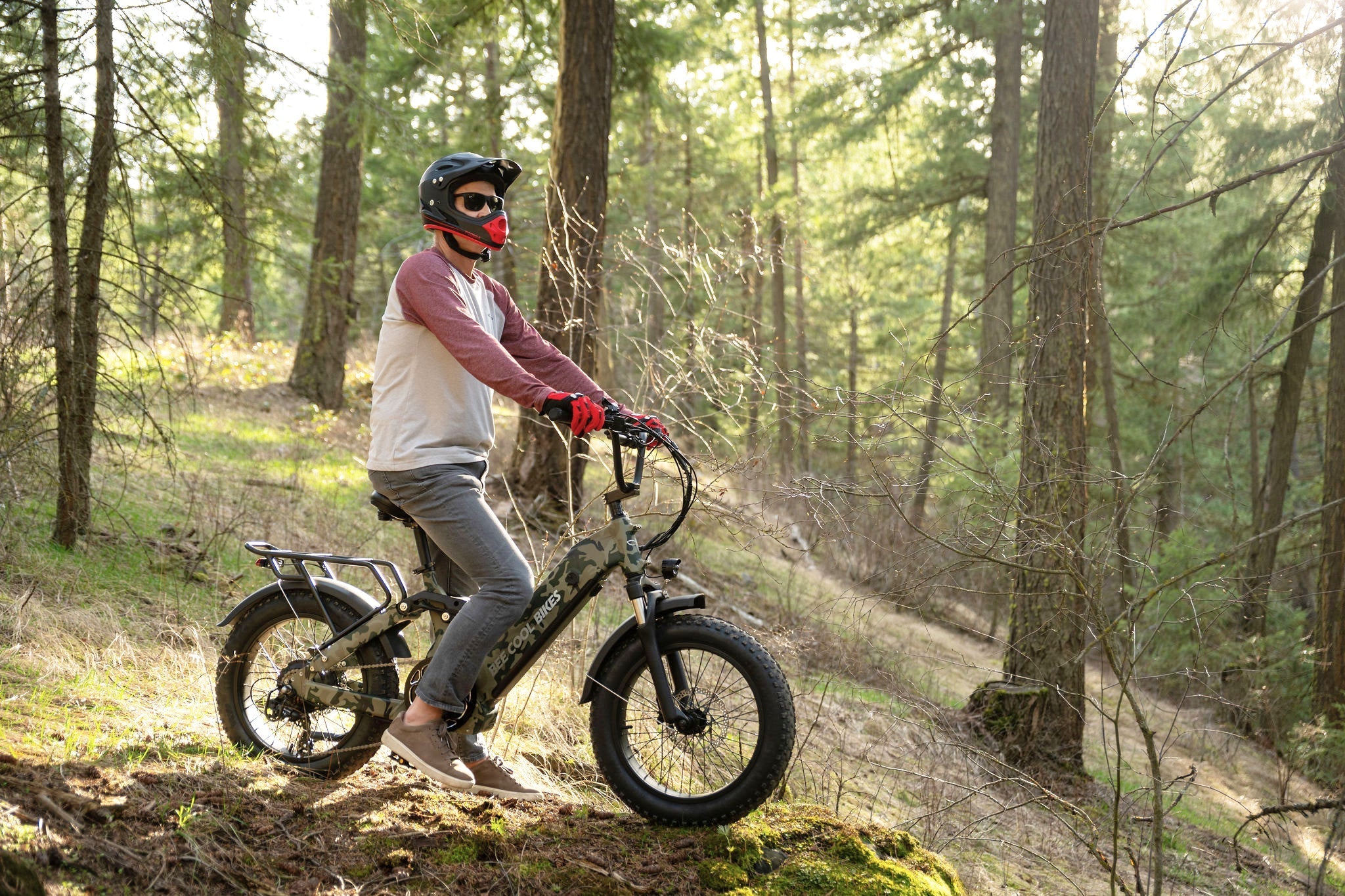
As e-bike technology continues to evolve, riders now have access to machines that deliver more power, higher speeds, and better overall performance than ever before. While 48V systems have long been the industry standard, 72V high-voltage e-bikes are becoming increasingly popular among enthusiasts who want stronger acceleration and motorcycle-like riding experiences.
However, owning a 72V e-bike is very different from riding a traditional 48V model. Higher voltage brings significant performance advantages, but it also requires riders to pay more attention to safety, maintenance, and responsible riding habits.
In this guide, we'll compare 72V and 48V e-bikes in detail and explain the essential safety precautions every rider should know.
Understanding Voltage in an E-Bike
Voltage determines how electrical energy is delivered from the battery to the controller and motor. In general, higher voltage allows an e-bike to produce more power efficiently and maintain performance at higher speeds.
The most common systems include:
Although voltage itself does not determine speed, higher voltage enables the motor to achieve greater power output and stronger acceleration when paired with appropriate components.
1. Power Delivery
48V E-Bikes
Most 48V e-bikes use motors rated between 500W and 1000W. These bikes are ideal for commuting, leisure riding, and moderate off-road adventures.
Typical characteristics include:
For most riders, a 48V system provides more than enough power for daily transportation.
72V E-Bikes
A 72V system is designed for high-performance riding. Motors often deliver 2000W to over 5000W peak power, producing impressive torque and acceleration.
Advantages include:
Riding a 72V e-bike feels much closer to riding a lightweight electric motorcycle than a traditional bicycle.
2. Top Speed Differences
One of the biggest differences between 48V and 72V e-bikes is speed.
Typical 48V E-Bike Speed
Typical 72V E-Bike Speed
At these speeds, aerodynamic forces increase dramatically. A small bump or unexpected obstacle that may be insignificant at 20 mph becomes much more dangerous at 45 mph.
This is why riders transitioning from 48V bikes should gradually adapt to the increased speed capabilities of a 72V machine.
3. Acceleration Characteristics
48V E-Bikes
Acceleration is generally gentle and predictable. Most riders can comfortably manage full throttle without difficulty.
72V E-Bikes
Acceleration can be extremely powerful.
Benefits include:
However, abrupt throttle input can surprise inexperienced riders.
When riding a 72V e-bike:
4. Weight and Battery Size
Because 72V batteries contain more cells, they are generally larger and heavier.
48V Systems
Advantages:
72V Systems
Advantages:
Trade-offs:
Riders should anticipate the extra mass and avoid making abrupt steering movements.
5. Braking Requirements
Braking performance becomes increasingly important as speed increases.
48V E-Bikes
Most models use:
These systems are usually sufficient for speeds below 30 mph.
72V E-Bikes
At speeds above 40 mph, stronger braking systems are essential.
Recommended features include:
Stopping distance increases significantly with speed. For example, a bike traveling at 50 mph requires much more distance to stop safely than one traveling at 25 mph.
Always maintain a greater following distance when riding a high-speed e-bike.
6. Suspension Differences
High-speed riding places more stress on the frame and suspension system.
A typical 48V e-bike may perform adequately with:
A 72V e-bike benefits from:
Good suspension improves:
7. Tire Considerations
Tires are the only contact between the bike and the road.
For high-speed riding:
Choose tires that provide:
Inspect tires regularly for:
Never exceed the manufacturer's recommended tire pressure.
Essential Safety Tips for Riding a 72V E-Bike
1. Always Wear Proper Protective Gear
A helmet is the minimum requirement.
For speeds above 40 mph, additional protection is strongly recommended:
At higher speeds, protective gear becomes increasingly important.
2. Start Slowly
If you are upgrading from a 48V e-bike, avoid immediately riding at maximum speed.
Spend several days becoming familiar with:
Confidence should develop gradually.
3. Increase Following Distance
Higher speeds require longer reaction times.
Maintain:
Never tailgate.
4. Avoid Sudden Steering Inputs
Sharp steering movements at 45-50 mph can destabilize the bike.
Instead:
Smooth riding equals safer riding.
5. Brake Earlier
Many riders underestimate stopping distance.
Good habits include:
Practice emergency stops in safe areas.
6. Respect Weather Conditions
Rain dramatically reduces traction.
In wet conditions:
Strong winds can also affect stability, especially on high-speed fat-tire e-bikes.
7. Perform Regular Inspections
Before every ride, check:
Tires
Brakes
Suspension
Battery
Lights
A five-minute inspection can prevent many accidents.
Battery Safety for 72V E-Bikes
Because 72V batteries store substantially more energy, proper charging practices are extremely important.
Use the Original Charger
Always use the charger recommended by the manufacturer.
Avoid:
Charge in a Safe Area
Charge:
Never charge:
Avoid Extreme Temperatures
Ideal charging temperature:
50°F to 86°F (10°C to 30°C).
Extreme heat or cold can reduce battery lifespan and affect performance.
Understanding Legal Considerations
E-bike laws vary by country and state.
Many regions are classified:
Class 1
Class 2
Class 3
Some 72V e-bikes exceed these classifications and may be regulated differently.
Before riding, always familiarize yourself with local regulations regarding:
Responsible riding helps maintain a positive image for the entire e-bike community.
Who Should Choose a 48V E-Bike?
A 48V system is ideal for:
Advantages include:
Who Should Choose a 72V E-Bike?
A 72V platform is better suited for:
When paired with quality brakes, suspension, and responsible riding habits, a 72V e-bike can deliver an incredibly exciting and enjoyable experience.
Final Thoughts
The transition from 48V to 72V represents much more than simply gaining higher speed. It introduces an entirely different riding experience that combines powerful acceleration, impressive torque, and extended performance capabilities.
A 48V e-bike offers practicality, efficiency, and accessibility, making it an excellent choice for everyday riders. A 72V e-bike, on the other hand, delivers thrilling performance that demands greater skill, awareness, and respect.
Regardless of which system you choose, safety should always come first.
Ride responsibly, maintain your bike regularly, wear proper protective gear, and enjoy the freedom that modern electric bicycles bring.
