

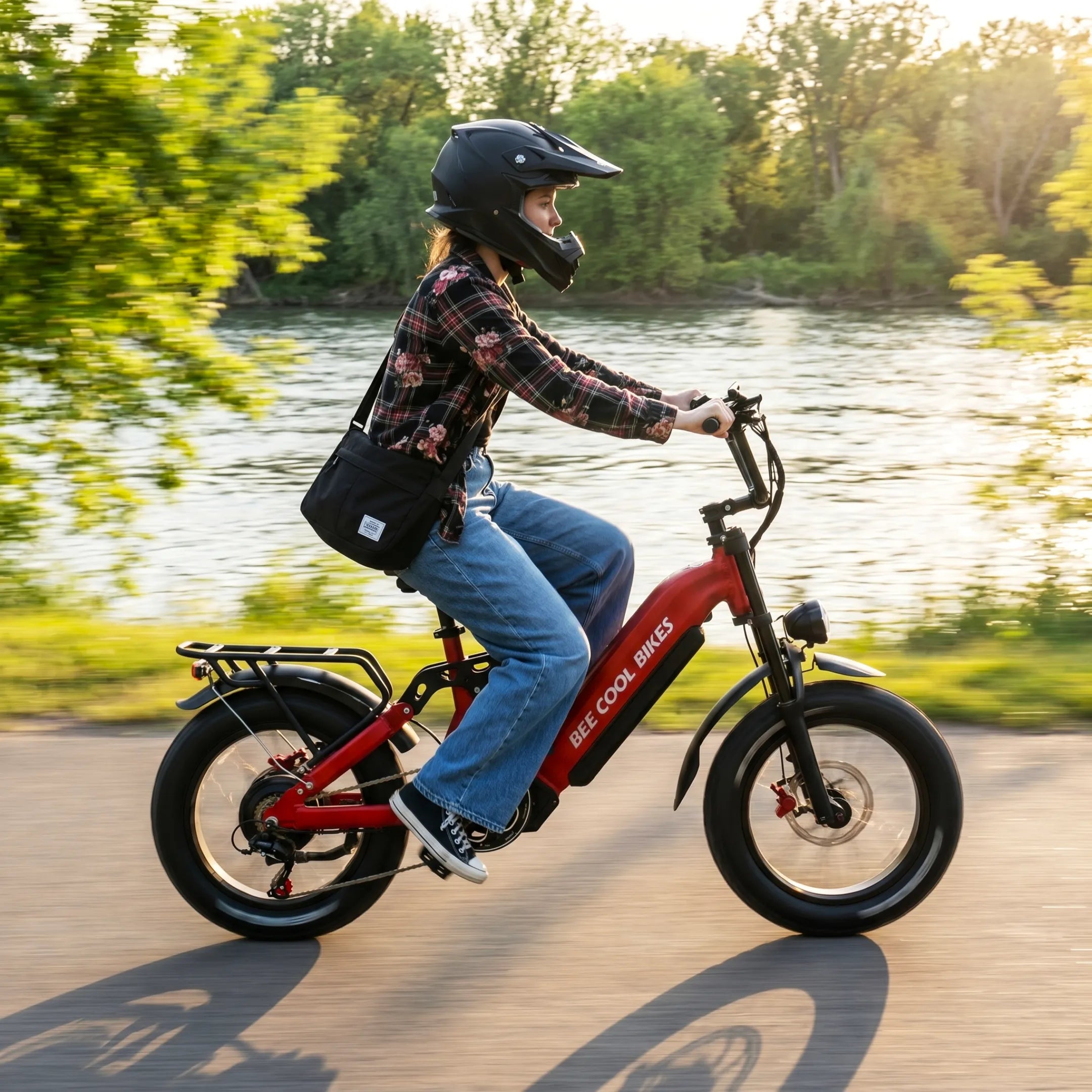
As we cross into May 2026, the North American e-bike landscape has shifted from a niche "tech toy" phase into a cornerstone of the continent’s multi-modal transportation strategy. What was once a fragmented market is now a sophisticated ecosystem defined by rigorous safety standards, a "car-replacement" culture, and a complex geopolitical trade environment.
Here is an in-depth look at the primary trends and debates currently shaping the industry this spring.

1. The "Safety First" Era: The End of the Wild West
If 2024 and 2025 were defined by the anxiety of lithium-ion battery fires, 2026 is the year of the Regulatory Gold Standard. Following the footsteps of New York City, federal oversight has finally caught up.
UL Certification as a Prerequisite: It is now virtually impossible to sell or service an e-bike in major North American metros that does not carry UL 2849 (electrical system) and UL 2271 (battery) certifications. This has led to a massive market consolidation, flushing out "grey market" brands that relied on substandard cells.
The Rise of Battery Passports: Taking a cue from European regulations, high-end manufacturers are now implementing "Battery Passports." By scanning a QR code on the frame, owners can see the entire lifecycle of their battery—from the cobalt mine in the DRC to its current health status and local recycling options.
2. The "SUV of the Sidewalk": Cargo Bikes Take Command
We are witnessing a profound cultural shift in suburban mobility. In 2026, the Heavy-Duty Cargo E-Bike has officially replaced the "second car" for thousands of North American households.
Long-Tail vs. Front-Loader: The debate has matured. Front-loaders (Bakfiets style) are seeing a surge in popularity for toddler transport due to improved steering geometry, while long-tails remain the king of the "last-mile" grocery run.
Infrastructure Adaptation: Major cities like Austin, Montreal, and Seattle have begun widening bike lanes specifically to accommodate "extra-wide" cargo frames. We are also seeing the introduction of "E-Bike Only" parking zones in shopping districts, replacing traditional car stalls.
3. The Tech Frontier: AI, V2X, and Smart Integration
The "dumb" e-bike is a thing of the past. In 2026, software will be as important as the motor.
V2X (Vehicle-to-Everything) Communication: Modern e-bikes are now equipped with short-range communication chips that alert nearby cars (via their infotainment systems) of the cyclist’s presence. This "digital lighthouse" effect is drastically reducing "right-hook" accidents at intersections.
AI-Optimized Range: Predictive algorithms now analyze your route’s elevation, wind speed, and your personal pedaling cadence to manage power output. This ensures you never run out of juice 5 miles from home, even if you’re carrying a heavy load.
Anti-Theft 2.0: With e-bikes becoming high-value assets, biometric locks (fingerprint or FaceID via phone) and "remote bricking" capabilities have become standard. If a bike is moved without authorization, the motor locks the wheels, and the internal GPS broadcasts its location via satellite, not just Bluetooth.
4. Geopolitics and the "Made in North America" Push
The economic backdrop of 2026 remains dominated by trade tensions. With Section 301 tariffs on Chinese-made frames and batteries remaining high, the industry has reached a tipping point.
Near-Shoring in Mexico: We are seeing a massive "near-shoring" boom. Several major Tier-1 brands have moved assembly plants to northern Mexico to utilize the USMCA framework, allowing for faster delivery and lower tariffs for the U.S. and Canadian markets.
The Resale Economy: Because new e-bikes remain expensive due to high-quality component requirements, the certified pre-owned (CPO) market is exploding. Companies like Upway and local bike shops are providing 12-month warranties on refurbished e-bikes, making the technology accessible to a broader socio-economic demographic.
5. The E-BIKE Act and Policy Incentives
The long-awaited federal tax credits (and various state-level equivalents) have finally hit their stride. In 2026, the "point-of-sale" rebate system is the primary driver of sales.
Income-Contingent Rebates: States like California and Colorado have perfected the model—offering up to $1,500 off for low-to-moderate-income residents. This has transformed the e-bike from a luxury recreational item into a vital tool for economic mobility, allowing workers to bypass unreliable transit or expensive car ownership.
Final Thoughts: A Greener Horizon
As we look out over the spring of 2026, the e-bike is no longer a "future" technology—it is the present reality of North American streets. The combination of rigorous safety, smart connectivity, and supportive policy has created a mature market that is finally ready to tackle the climate and congestion challenges of the late 2020s.
Whether you are a daily commuter, a "soccer parent" with a long-tail cargo bike, or a weekend warrior, the message is clear: The future has two wheels and a battery.
